When a finished film, commercial or television project reaches the screen, the production behind it should almost feel invisible.
The audience sees the story, performances and images. What they don’t see are the schedules, calls, equipment movements, location decisions and countless conversations that made those moments possible.
A smooth production isn’t simply the result of everything going according to plan. It’s the result of preparation, communication and a team capable of responding when it doesn’t.
So what actually goes into keeping a production moving?
It Starts Long Before the Shoot
By the time cameras begin rolling, a significant amount of work should already have happened.
Pre-production is where creative ambition starts becoming a practical production plan.
Schedules need to be considered. Locations need to be explored. Crew requirements need to be understood. Equipment needs to be identified and the logistics surrounding the shoot need to begin taking shape.
The stronger that foundation is, the easier it becomes for everyone involved to concentrate on their work once production begins.
The Right Crew Changes Everything
Film production is collaborative by nature.
Every department contributes something different, and the strength of the production comes from those departments working together rather than simply alongside one another.
Finding the right people isn’t only about technical ability. Experience, communication and an understanding of how a set operates can be equally important.
A good crew knows its responsibilities while remaining aware of the wider production happening around it.
That becomes especially valuable when schedules are tight or conditions change.
Locations Need to Work Off Camera Too
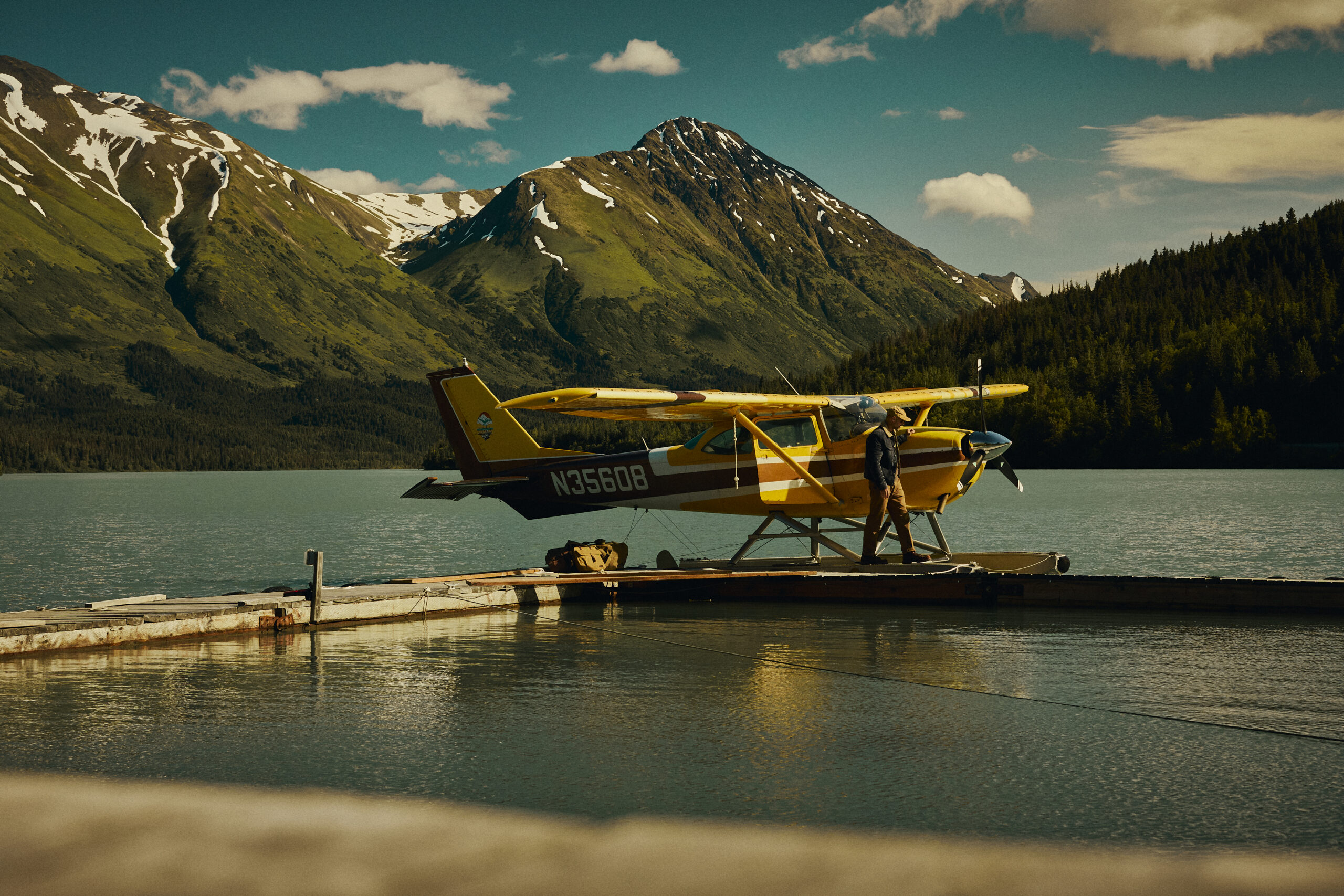
A beautiful location might solve the creative brief perfectly, but production has to consider what happens outside the frame as well.
How does the crew get there?
Where does equipment go?
What facilities are available?
How long will movement between locations take?
What does the environment mean for the production setup?
Location planning is as much about understanding these practical questions as it is about finding the right background for the shot.
The strongest option is usually one that works both creatively and practically.
Equipment Has to Match the Production
More equipment doesn’t automatically mean a better production.
What matters is having the right tools for what the project is trying to achieve.
Camera, lighting and sound requirements should be considered alongside the location, crew, schedule and creative approach.
Thinking about these elements together makes it easier to build a setup that supports the production without creating unnecessary complexity.
Logistics Keep Everything Connected
Production involves a lot of moving parts — sometimes literally.
Crew, talent, equipment, vehicles, locations and accommodation all operate on schedules that need to work together.
When those details are properly coordinated, most people on set shouldn’t need to think about them.
That’s the point.
Strong logistics create the space for directors, creatives, performers and crew to concentrate on the work happening in front of them.
Communication Keeps the Set Moving
Even the best production plan is only useful if everyone understands it.
Clear communication between production and departments helps keep expectations aligned and allows potential problems to be identified before they become larger ones.
This becomes even more important when something changes.
Instead of every department reacting independently, good communication allows the production to adjust as a whole.
Something Will Change
Almost every production reaches a moment when the original plan needs to move.
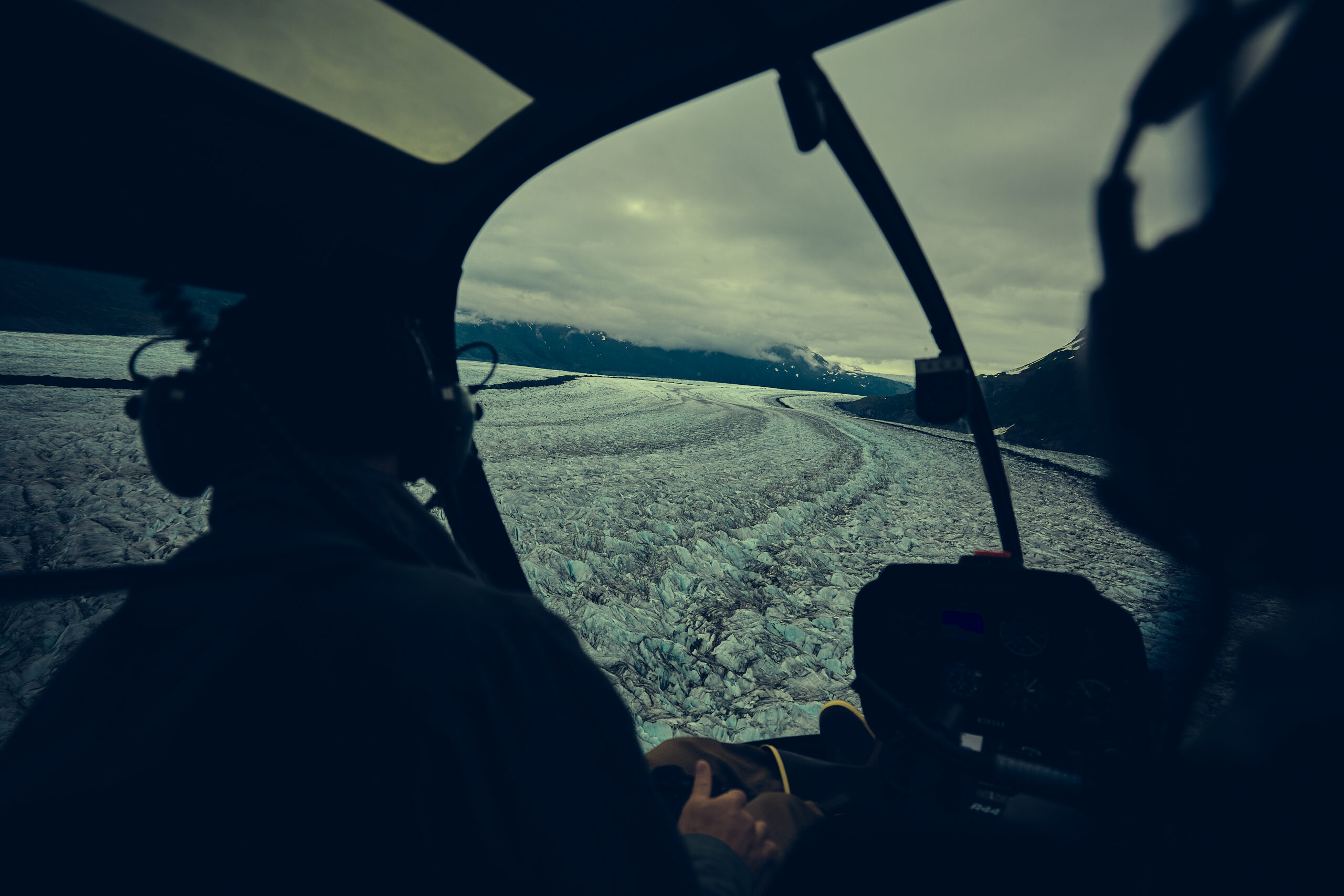
Weather can change. A location can become unavailable. A schedule can shift. Equipment requirements can change once the realities of the shoot become clearer.
That doesn’t necessarily mean something has gone wrong.
Adaptability is part of production.
The important thing is having enough preparation, experience and communication around the project to make the next decision quickly and keep moving.
Good Production Supports the Creative
Ultimately, production exists to create the conditions in which good creative work can happen.
When the practical details are taken care of, the people responsible for telling the story have more space to concentrate on telling it.
That requires preparation before the shoot, coordination while it’s happening and the ability to adapt when circumstances change.
A smooth production isn’t one where nothing unexpected happens.
It’s one that’s ready when it does.
Have a Production in Mind?
From early planning through to production on the ground, Kane House Films provides practical production support for film, television and commercial projects.